Iran Says Supertanker With Two Million Barrels of Crude Sank After Mine Strike in Strait of Hormuz
The Revolutionary Guards said two tankers struck naval mines on an unauthorized route, with one sinking and a second still ablaze; no independent confirmation of the sinking was available.
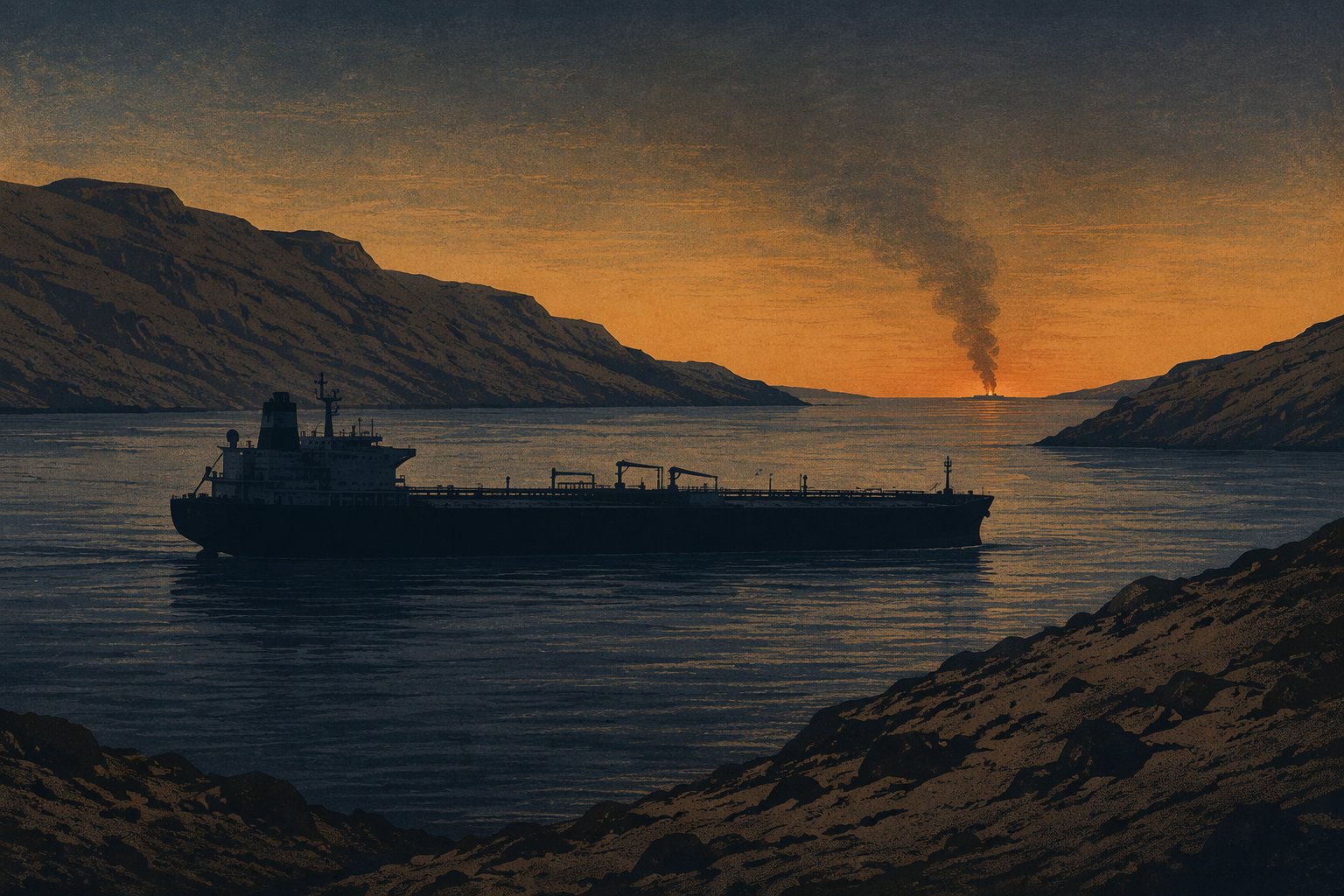
Iran's Islamic Revolutionary Guard Corps said on Sunday that a supertanker carrying more than two million barrels of crude oil sank in the Strait of Hormuz after striking a naval mine, a claim that remained unconfirmed by independent sources on Sunday night.
In a statement carried by Iranian state media, the Revolutionary Guards said two tankers struck naval mines while traveling on what it called an unauthorized route through the strait. One vessel, a supertanker loaded with more than two million barrels of crude, sank, the statement said, while the second tanker was still burning.
The claim could not be independently verified. Maritime security agencies and regional governments had not confirmed a sinking as of Sunday night, and news organizations carried the Guards' account with explicit caveats, noting the absence of confirmation from shipping insurers or naval forces operating in the area.
The Strait of Hormuz, the narrow channel between Iran and Oman, carries roughly a fifth of the world's seaborne crude, and even unconfirmed reports of mine strikes can move markets. Traders and insurers have historically repriced Gulf shipping within hours of verified attacks on tankers.
The report comes amid a sharp escalation around the Gulf. Press Lantern reported Sunday that Iran had launched a drone strike on a U.S.-operated radar site in Bahrain, part of a widening exchange of attacks that has raised alarms about the security of commercial shipping in the region.
Mine warfare has a long history in the waterway. During the Tanker War of the 1980s, mines damaged dozens of commercial vessels and drew U.S. naval escorts for reflagged Kuwaiti tankers, a precedent analysts cite when assessing how quickly insurers respond to new threats.