Tokyo Court Issues Japan's First Audio Deepfake Publicity Rights Ruling
Judges recognize that an AI-cloned voice can violate a performer's rights, awarding damages in a case lawyers call a template for the AI era.
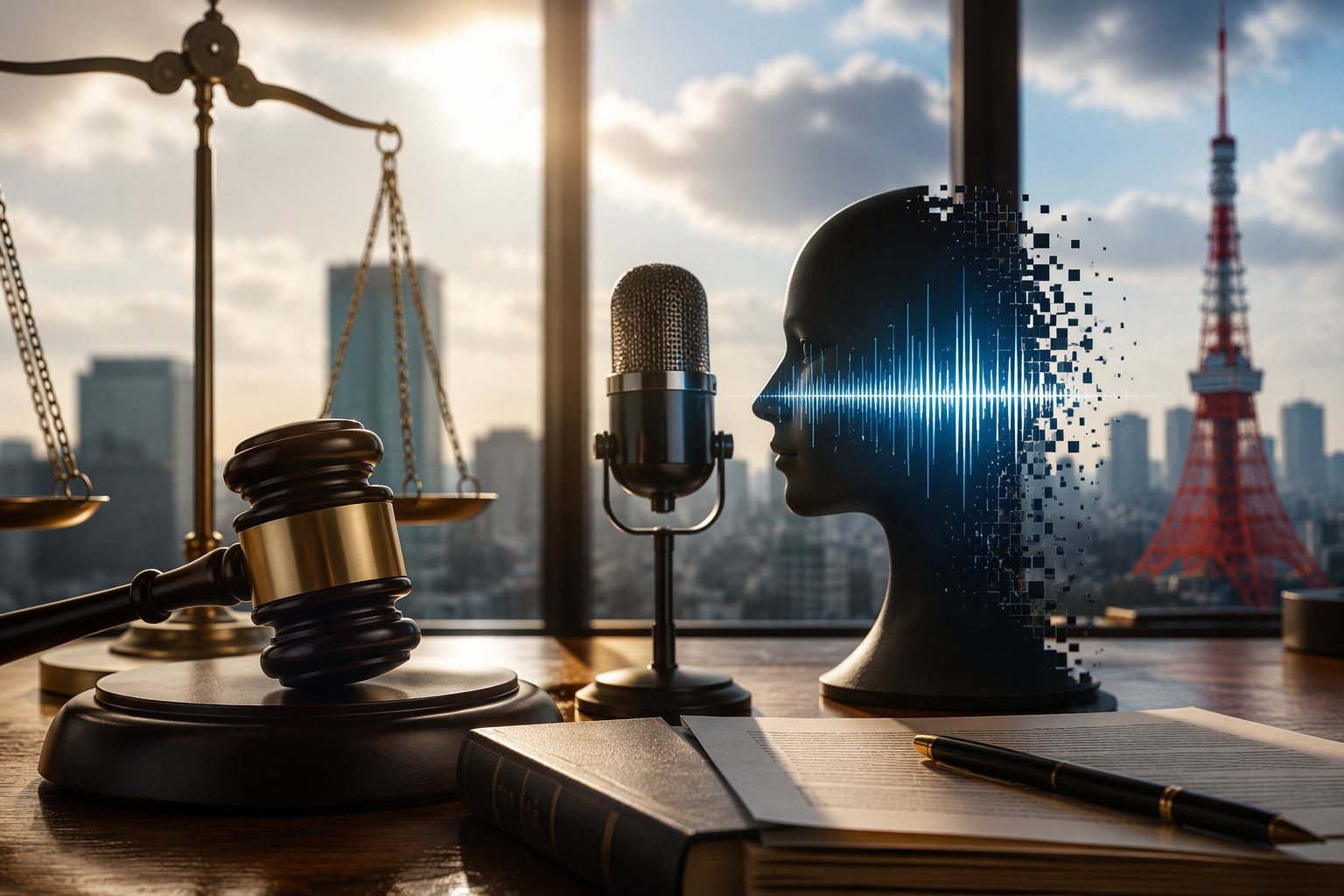
A Tokyo court issued Japan's first ruling recognizing that an AI-generated clone of a person's voice can violate publicity rights, awarding damages to a performer whose voice was replicated without consent.
The case concerned a synthetic reproduction of the plaintiff's voice used in commercial content. The court held that a recognizable voice, like a face or name, is protected, and that fabricating it with AI does not escape liability.
Legal scholars called the decision a milestone for Japanese law, which had lacked explicit precedent on synthetic media. The ruling gives performers, broadcasters and agencies a clearer basis to challenge unauthorized voice cloning.
Technology trade groups cautioned that overly broad readings could chill legitimate uses such as dubbing and accessibility tools. Lawmakers said the decision will inform draft legislation on AI impersonation now moving through the Diet.